How to Decide When You Really Need a Septic Tank Inspection
If you live in Newport, WA, and want to avoid costly septic problems, knowing when to schedule a septic tank inspection in Newport, WA, is important. Little Stinker Septic Service helps homeowners in the area understand when and why inspections matter for your system’s health.
Why Septic Tank Inspection Matters
Septic tanks are buried out of sight, making it easy to forget about regular maintenance. Routine checks catch small issues before they turn into big, expensive repairs. Inspections protect your home, the environment, and your wallet. Experts can spot leaks, blockages, or early signs of failure, keeping the system running safely.
Recommended Inspection Frequency
How often should you check your system? The Environmental Protection Agency recommends an inspection every three years for most households. The frequency depends on:
- Tank size.
- Household size.
- Amount of water used.
- Age and condition of the system.
Some homes may need checks more often. For example, if you have a large family or use lots of water, schedule an inspection once a year. Regular inspection keeps unpleasant surprises at bay.
Factors That Affect Inspection Timing
Certain situations call for more frequent septic tank inspection. Pay attention to these factors:
Recent Property Purchase
Just bought your home? Get an inspection before moving in or shortly afterward. Unknown septic problems can cause headaches and be expensive to fix.
Unusual Odors or Slow Drains
Notice foul smells, slow drains, or pooling water in your yard? These signs could mean trouble is brewing. Schedule an inspection if you suspect anything is wrong.
System Age
Older systems need more attention. If your tank is over 15 years old, increase inspection frequency to once a year. Aging components make breakdowns more likely.
After Floods or Heavy Rains
Storms and heavy rain can damage or overload your septic system. After severe weather, get a septic tank system inspection to catch problems early.
Recent Repairs or Upgrades
Completed a septic pump-out or repairs recently? An inspection helps verify everything is working well and extends your system’s life.
Signs You Need an Immediate Inspection
If you notice any of these warning signs, do not wait:
- Water pooling above the drain field.
- Plumbing backups inside the house.
- Rotten eggs smell around your yard.
- Gurgling sounds in pipes.
- Greener grass in just one patch.
These signs suggest major issues. Schedule an inspection right away to keep damage from spreading.
Preventing Costly Repairs With Routine Checks
Routine septic tank inspection can save you thousands in repair bills. When issues stay hidden, they can affect your soil, water, and even your neighbor’s property. Inspections help in three ways:
- Catching Problems Early: Experts spot leaks, blockages, or root intrusion before the damage spreads.
- Extending System Life: Regular checks help your septic system last longer and run more efficiently.
- Budgeting Repairs:
Finding minor issues lets you plan and save for repairs instead of facing sudden, big expenses.
How to Prepare for Your Next Inspection
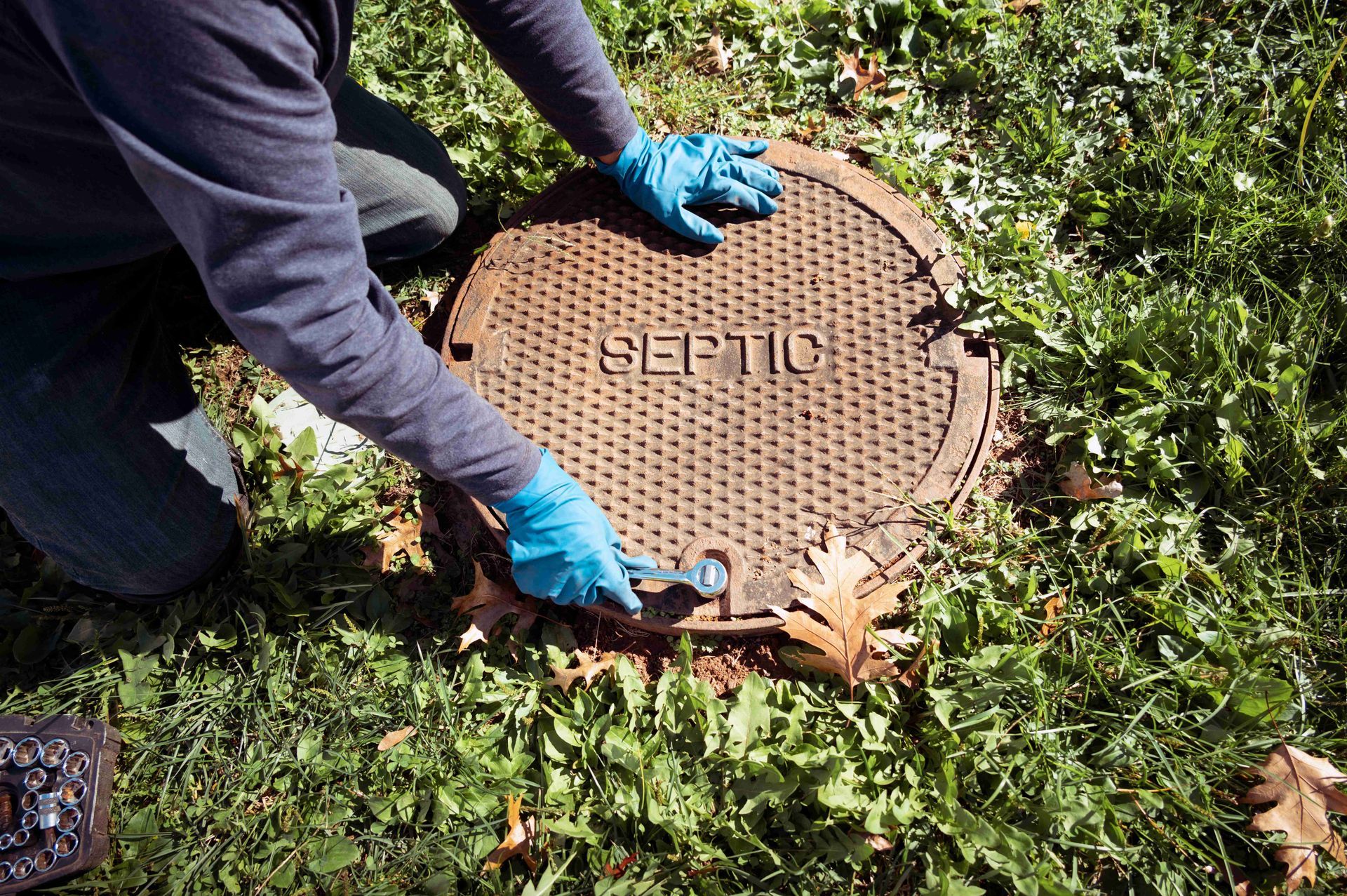
Before an inspector visits, do these quick steps:
- Clear access to the tank’s lids and pipes.
- Keep pets inside during the inspection.
- Write down any odd smells, sounds, or plumbing behavior.
These steps help the inspection go smoothly and make it easier for experts to spot issues.
Tips for Maintaining Your Septic System Between Inspections
Keeping your septic system healthy is easier when you follow simple habits at home. Here are practical tips you can use to reduce problems between your scheduled septic tank inspection times:
- Watch Water Usage: Try to use water evenly throughout the week instead of all at once. This helps prevent overloading your septic system.
- Use Septic-Safe Products: Choose cleaning and detergent products labeled as safe for septic tanks. Avoid flushing harsh chemicals or non-biodegradable items.
- Protect Your Drain Field: Keep vehicles and heavy objects off the area above your drain field. Plant only grass in this area, since roots from trees or shrubs can damage the pipes.
- Fix Leaks Quickly: Repair any dripping faucets or running toilets right away. Extra water puts stress on your system and may lead to flooding.
These steps help your septic tank last longer and reduce the risk of sudden repairs. Combined with routine inspections, they safeguard your home and family.
Keeping Newport, WA, Septic Systems Healthy
For Newport, WA, homeowners, scheduling a septic tank inspection is not only smart. It is vital for keeping your home safe and your system working well. If you are not sure when your next inspection should be, consult with professionals, especially if you notice signs of trouble.
Regular inspections also help preserve property value and keep your neighborhood safe from environmental hazards. By taking action before problems get worse, you protect your investment and avoid health risks caused by leaks or contamination. Consistent care gives peace of mind, knowing your septic system is reliable and ready to handle daily needs.
Protect Your Property With Little Stinker Septic Service
Getting a septic tank inspection is the best way to avoid costly repairs and protect your property. Whether you have not had your tank checked in years or notice strange odors and slow drains, Little Stinker Septic Service is ready to help.
Contact us today to schedule your inspection and keep your home safe for years to come!